Blog
Explore our handpicked selection of featured properties. Each listing offers a glimpse into exceptional homes and investments available through Estatein. Click "View Details" for more information.
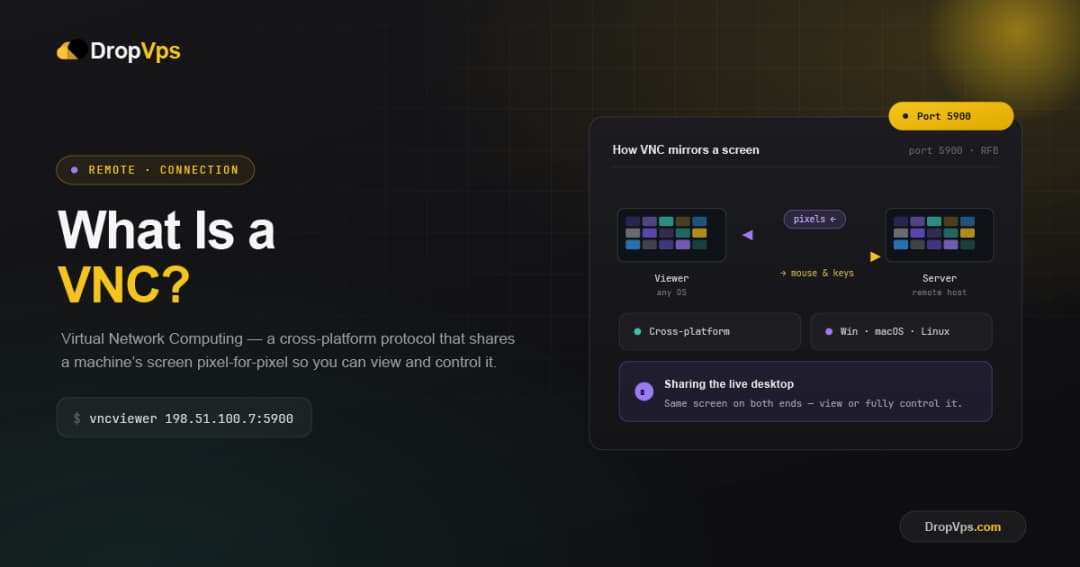
What is Vnc
VNC stands for Virtual Network Computing. It is a remote desktop technology that lets you view and control another computer's screen over a network, using your own keyboard and mouse as if you were sitting in front of that machine.
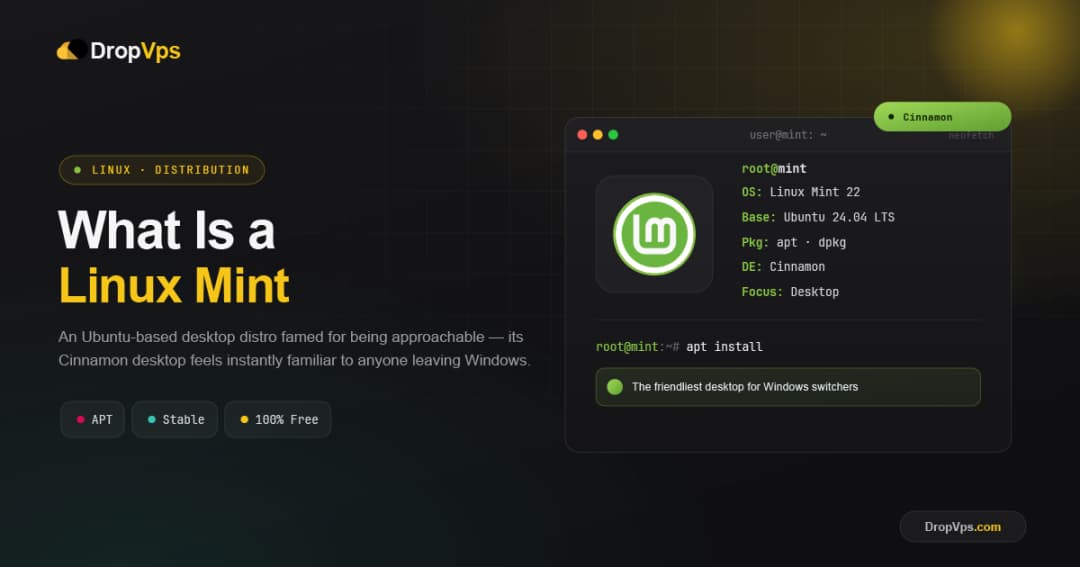
What is Linux Mint
Linux Mint is a free, open-source Linux operating system built on Ubuntu and Debian, designed to be one of the easiest and most comfortable systems for everyday users. It offers a traditional desktop layout, works well out of the box, and is a favorite for people switching from Windows.
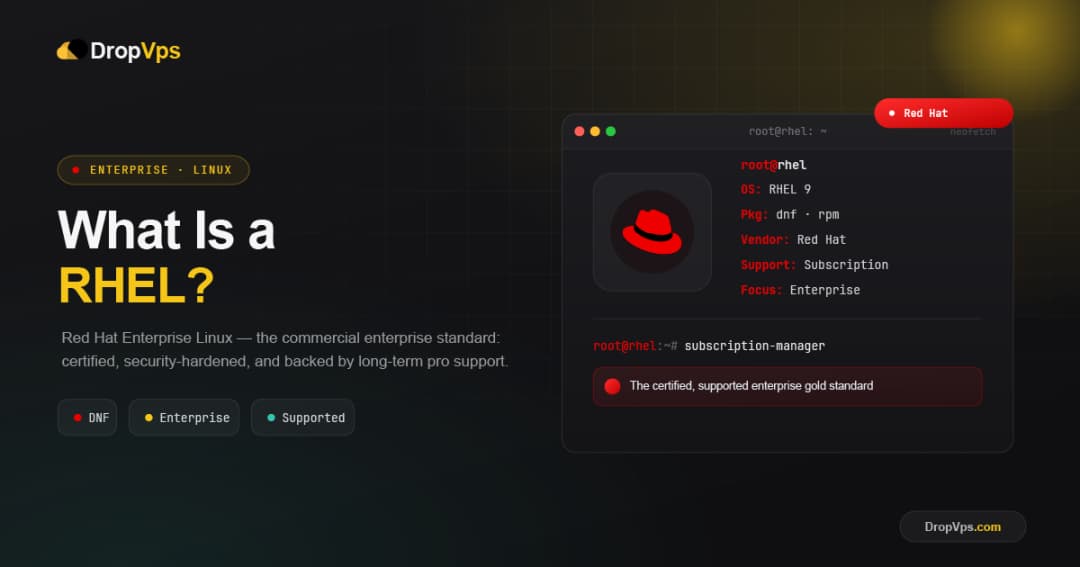
What is RHEL (Red Hat Enterprise Linux)
RHEL stands for Red Hat Enterprise Linux, a commercial, enterprise-grade Linux distribution developed by Red Hat (now part of IBM). It is one of the most trusted operating systems in business and is sold through a paid subscription that includes security updates, certified hardware and software support, and around 10 years of stability per major version.
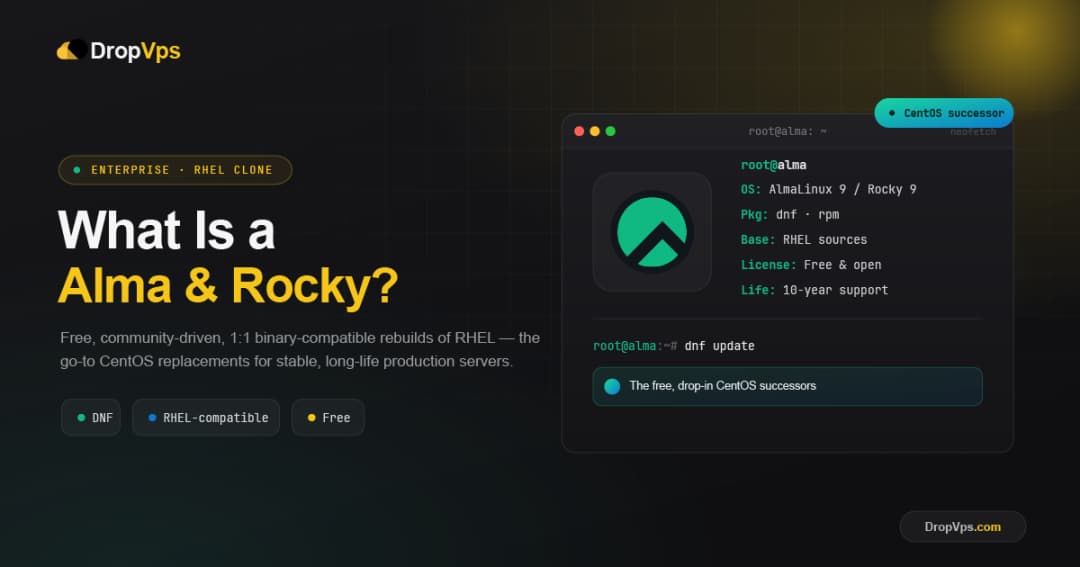
What is AlmaLinux / Rocky Linux
AlmaLinux and Rocky Linux are two free, open-source, enterprise-grade Linux distributions that are fully compatible with Red Hat Enterprise Linux (RHEL). They were created to replace the original CentOS after it changed direction, and both give you the stability and long support of RHEL without any licensing cost, which makes them extremely popular for servers.
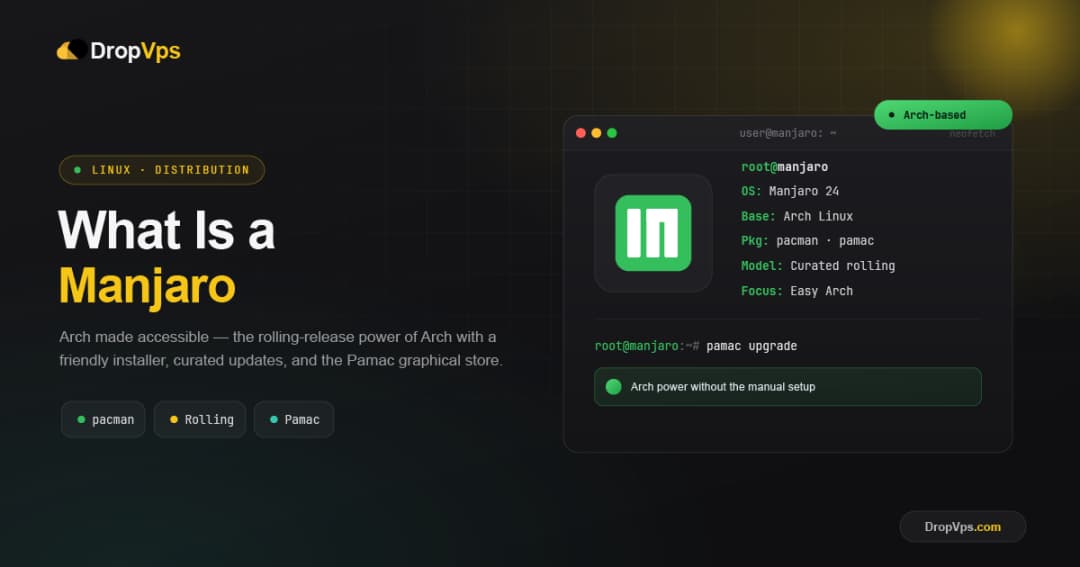
What is Manjaro
Manjaro is a free, open-source Linux distribution based on Arch Linux that delivers Arch's power and rolling-release software with a much easier, ready-to-use setup. It gives you a graphical installer, pre-configured desktops, and automatic hardware detection, so you get the benefits of Arch without the manual, command-line installation Arch normally requires.
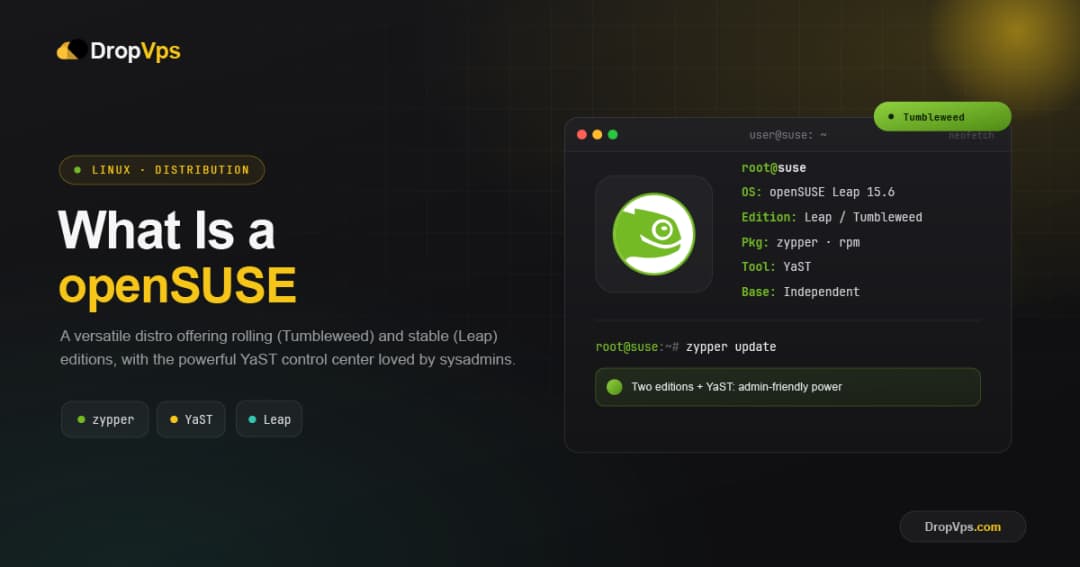
What is openSUSE
openSUSE is a free, open-source Linux distribution backed by SUSE and its community, known for the powerful YaST control center and serious engineering quality. It comes in two flavors: Leap, a stable fixed release, and Tumbleweed, a rolling release that always has the newest software.
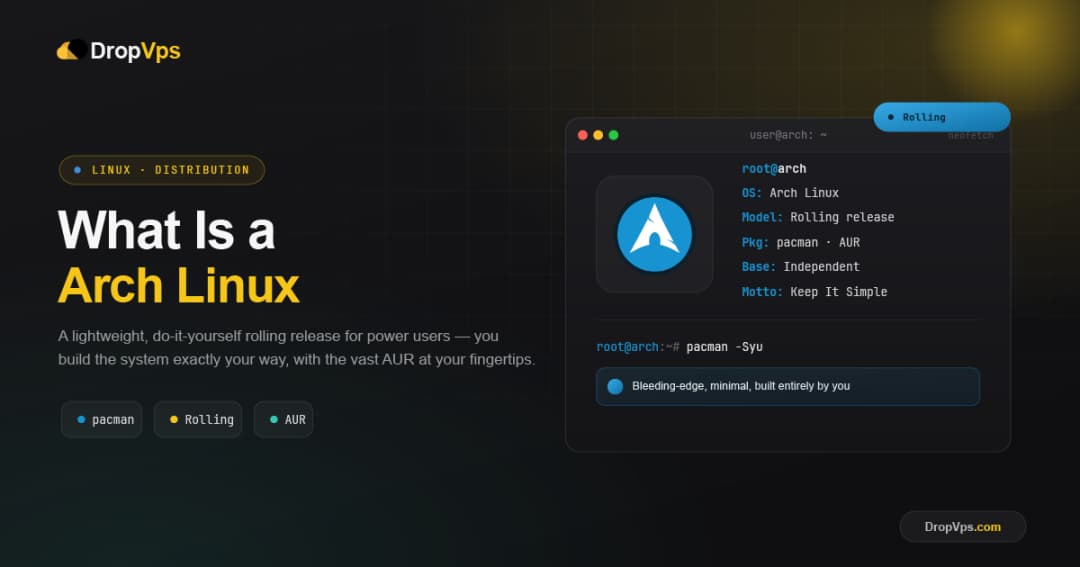
What is Arch Linux
Arch Linux is a free, open-source, rolling-release Linux distribution built around simplicity, minimalism, and complete user control. Instead of fixed yearly versions, it updates continuously, and you assemble the system yourself from a minimal base, installing only the components you actually want.
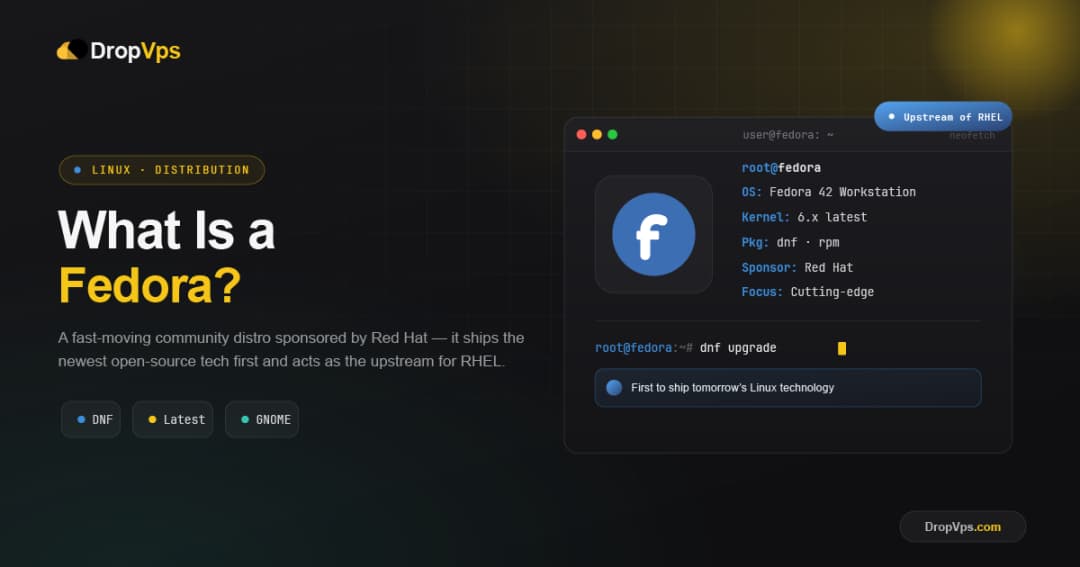
What is Fedora
Fedora is a free, open-source Linux operating system sponsored by Red Hat and built by a worldwide community. It is best known for delivering the newest open-source technologies first while staying polished and reliable, which makes it a favorite among developers, sysadmins, and Linux enthusiasts.
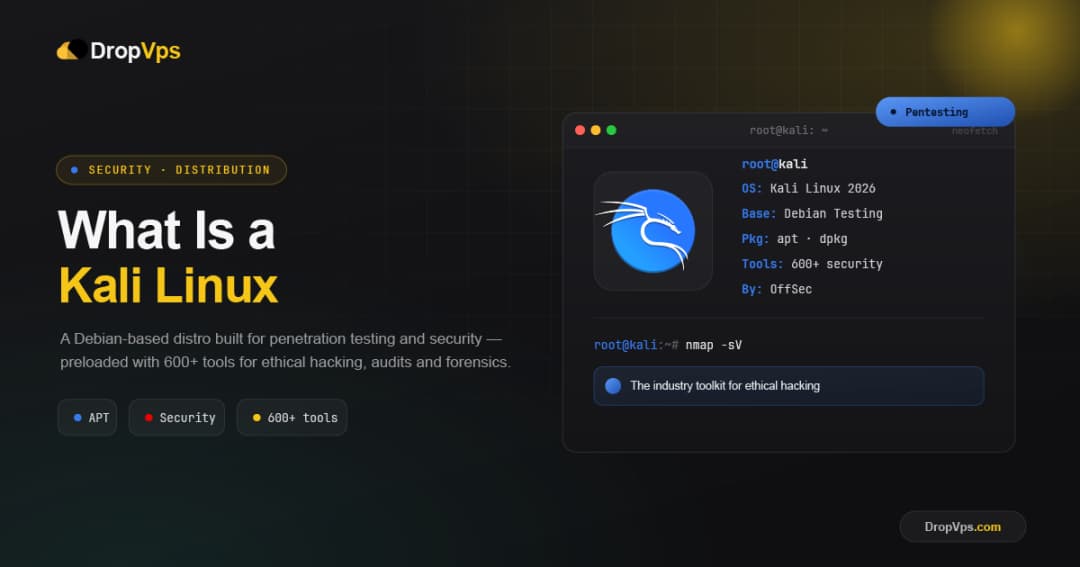
What is Kali Linux
Kali Linux is a free, open-source, Debian-based Linux distribution built specifically for cybersecurity work such as penetration testing, ethical hacking, security research, and digital forensics. It comes pre-loaded with hundreds of security tools, so professionals can test and defend systems without installing everything by hand.